







Search Results for: Coffee Bed
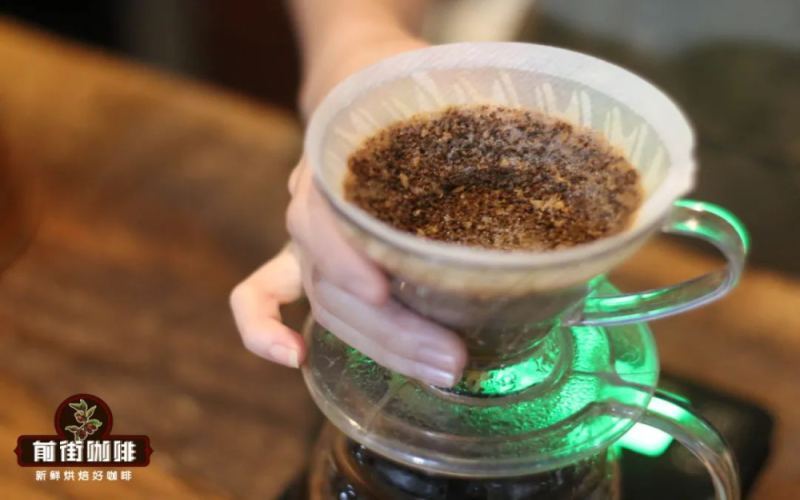
Interpreting the Shape of the Coffee Bed in Pour-Over Brewing: Judging Extraction Evenness and Brewing Issues from the Grounds Pattern
Many pour-over enthusiasts habitually check the shape of the coffee bed in the dripper after brewing, and some even predict the coffee's flavor based solely on the bed's appearance. What can the coffee bed actually tell us? Can it really determine whether a cup of coffee is good or bad? This article starts from the causes of the coffee bed, analyzes the extraction problems corresponding to different bed shapes, and explores the practical reference value of the coffee bed in brewing adjustments. At the same time, Front Street will also share how to view the coffee bed rationally and avoid falling into the misconception of "judging solely by the coffee bed." [more…]

A Complete Analysis of Pour-Over Coffee Bed Shapes: What Deep Crater, Flat Bed, Channeling, and Mud Pit Each Tell You
After pour-over brewing is finished, the coffee bed in the dripper often takes on different shapes—some people can produce a beautiful, even deep pit, while others end up with a flat bed or even a muddy crater. What exactly are these coffee bed shapes telling us? In fact, the appearance of the coffee bed mainly reflects information about the pouring method and the coffee grounds themselves, and has no direct correlation with whether the coffee tastes good. Front Street will start with six common coffee bed states, interpreting one by one the causes and meanings of the deep pit, the offset pit, the flat bed with a grounds wall, the flat bed without a grounds wall, the fractured bed, and the muddy pit, to help you better judge whether your pouring is appropriate in daily brewing and make timely adjustments. [more…]
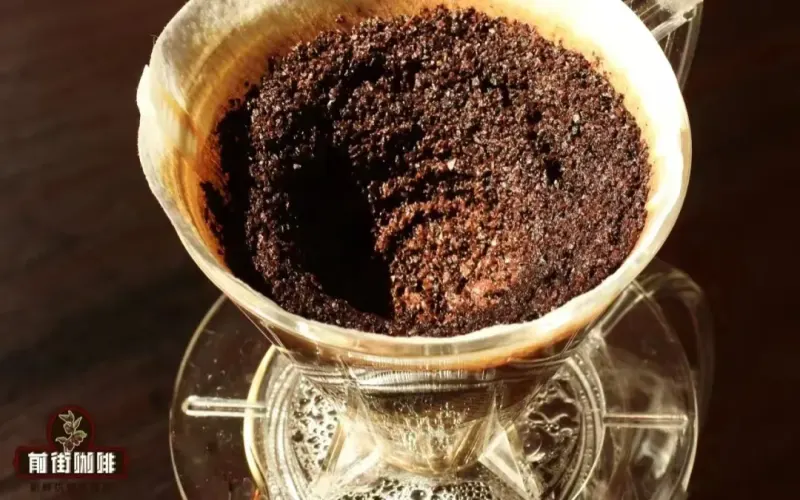
Analyzing the Relationship Between Pourover Coffee Bed Depth and Flavor: Conditions for Forming a Perfect Coffee Bed Beyond Even Pouring
Many pour-over enthusiasts habitually judge coffee quality by the shape of the coffee bed left in the dripper, believing that the deeper the bed, the better the taste. Is this belief correct? What can a deep bed actually tell us? In reality, the state of the coffee bed only reflects the uniformity of pouring and does not directly determine flavor. To produce an ideal coffee bed, uniform pouring alone is not enough—other conditions must also be met. This article will take a deep dive into the true relationship between the coffee bed and coffee taste, and share the complete set of factors that go into forming a perfect coffee bed. [more…]

Complete Guide to Pour-Over Coffee Bed: From Muddy Bed to Crater Bed, Diagnosing Extraction Issues and Grind Adjustment Methods
The joy of pour-over coffee lies in its controllability, yet beginners often find it difficult to judge whether their brewing is done properly. Beyond tasting the flavor, the coffee bed left after brewing is also a mirror that can reflect many details such as grind size, pouring technique, and the speed of circling. An ideal coffee bed should form a uniform cone shape, with neat walls and loose, honeycomb-like granules. If the coffee bed appears muddy, sea-salt-like, uneven, flat-bottomed, or with断层, it suggests that extraction may have gone wrong. This article, drawing on Front Street's brewing recommendations, analyzes the causes and solutions for six typical coffee bed patterns one by one, helping coffee enthusiasts find directions for adjustment from the coffee bed and gradually improve the stability and flavor performance of their pour-over. [more…]
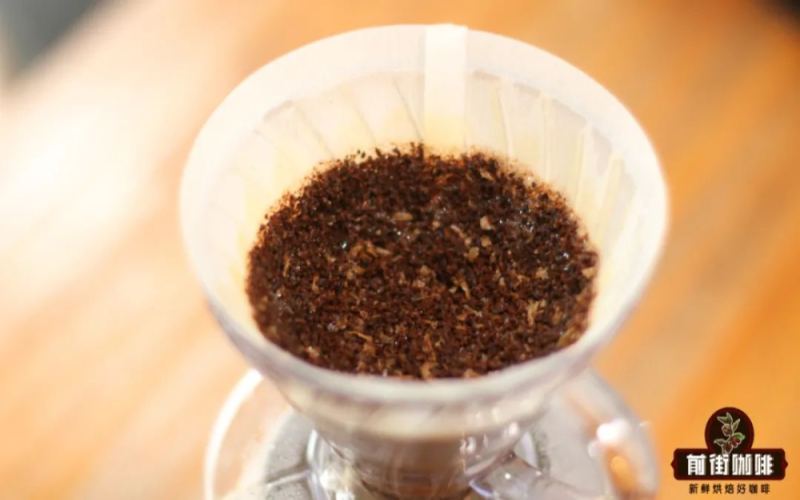
Three Major Reasons Why the Coffee Bed in Pour-Over Brewing Is Shallow or Disappears: Can the Depth of the Coffee Bed Really Determine Flavor Quality?
Many pour-over beginners don't run into clogging issues while brewing, yet after finishing, the coffee bed ends up perfectly flat, with no indentation at all. This shows that water flow control during extraction wasn't up to par, so a bowl-shaped bed couldn't form, which very easily leads to uneven extraction. Front Street has summarized three common mistakes: the bed wasn't lifted high enough, the water flow lacked enough stirring force, and the pouring circles were too wide in amplitude. We'll go through the causes one by one and give adjustment methods for each. Also, the depth of the coffee bed has no necessary connection to the roast level—whether you can produce a bed depression depends on your pouring technique, not how the beans were roasted, while the depth of the depression is determined by the dose of coffee. [more…]
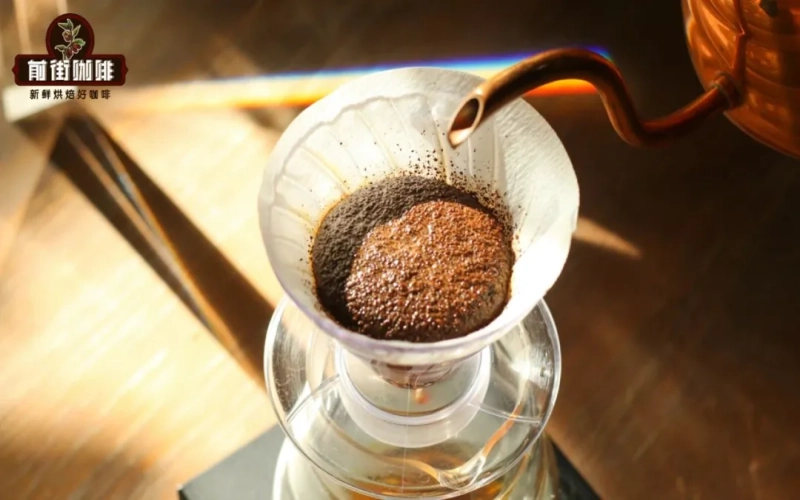
How Do Pour-Over Coffee Bed Depth and Shape Influence Flavor? A Detailed Explanation of the Differences Between Flat-Bottom Drippers and Conical V60
In the world of pour-over coffee, the shape of the coffee bed is often overlooked, yet it profoundly influences the final flavor expression. Starting from cases previously shared by Front Street Coffee, this article systematically sorts out the specific effects of coffee bed thickness and shape on extraction efficiency, stability, and coffee taste. You will learn why the same beans present completely different layers or balance in different drippers, and also understand why every dripper has a recommended dose. Through a comparative brewing example of Front Street Coffee Ethiopia Huakui, we will intuitively see the flavor differences brought by conical drippers and flat-bottom drippers, helping you understand more thoroughly the logic behind dripper selection, so you can brew a good cup of coffee more confidently. [more…]
Analyzing the Coffee Bed Shape in Pour-Over Brewing: A Deep Bed Is Not a Sign of Good Taste—Pouring Technique Is the Key
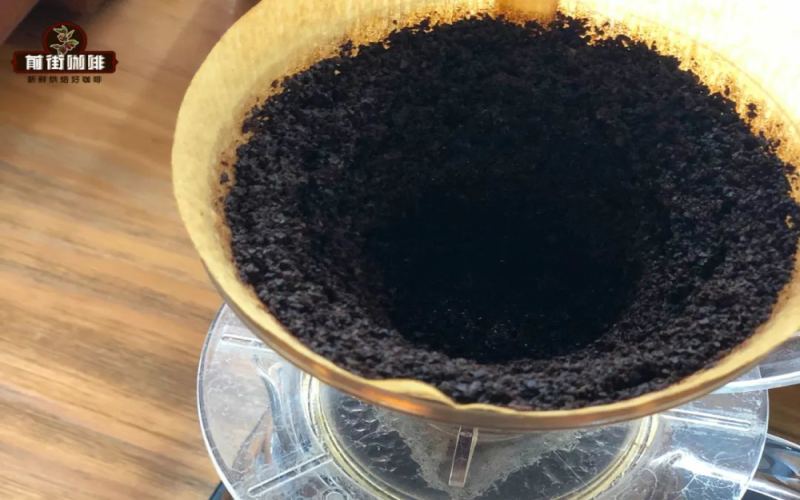
Many friends who are just getting into pour-over coffee often hold an almost worshipful attitude toward the expansion of the coffee bed and the deep pit, believing that producing a deep pit signifies superior skill. Front Street found this phenomenon to be quite common when talking with customers in the shop, so we decided to analyze the conditions for the formation of the deep pit from a fundamental perspective. In fact, the deep pit is mainly related to three factors: the roast level of the coffee beans, the circular pouring pattern, and the dose of grounds, with roast level having the most significant influence. Dark-roasted beans have low density and expand noticeably, making it easy to form a thick wall of grounds and a deep pit, while light-roasted beans are the opposite. In addition, pouring in small circles preserves the wall of grounds around the edge, and a large dose of grounds also provides enough support for the deep pit. But an attractive coffee bed does not equal good-tasting coffee; the real point of observing the coffee bed is to check whether the pouring was even and whether the wall of grounds was damaged. This article will systematically sort out the brewing logic behind the coffee bed for coffee lovers, helping everyone return to the brewing parameters themselves. [more…]

Pour-over coffee bed shape and brewing assessment: What do the bloom dome, bed height, foam color, and drawdown speed reveal?
When brewing pour-over coffee, the filter cup actually holds quite a few clues. The size of the dome that the coffee bed puffs up into during the blooming stage, and how well it retains water, can reflect the freshness of the coffee beans and the depth of the roast; whether the coffee bed can be lifted indicates the density of the coffee grounds; the color change of the foam on the surface can help us track the pouring path; and the speed of the drawdown is related to the coarseness of the grind, the density of the coffee bed, and fine particle clogging. As for the deep coffee bed pit that many beginners obsess over, it does not directly equate to a better-tasting cup; it is more just a reflection of the pouring method. In this article, Front Street will break down these readable pieces of information one by one during the brewing process, to help you have a few more bases for judgment when adjusting parameters. [more…]
Why Does the Coffee Bed Form a Crater in Pour-Over? A Detailed Analysis of Causes and Pouring Adjustment Methods
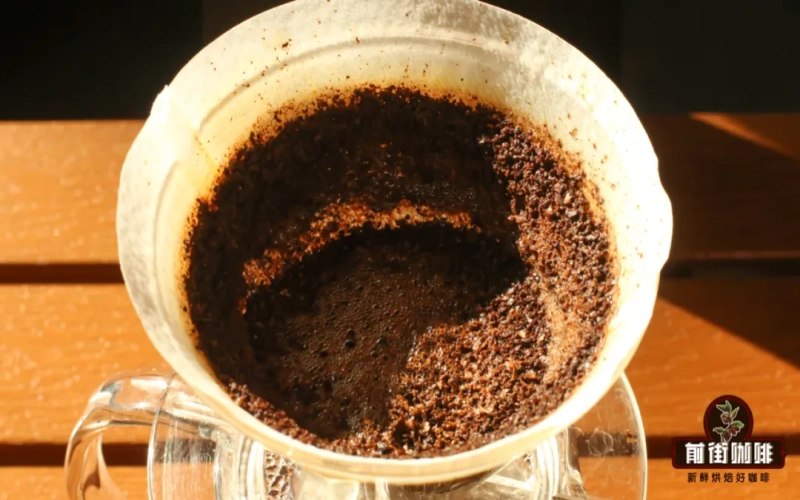
After a pour-over coffee is finished, the state of the coffee bed often reveals whether the water pouring during the brewing process was standardized. An ideal coffee bed should be bowl-shaped, with an intact coffee wall of even thickness, but many coffee enthusiasts find that the coffee bed is "cut in the middle," split into upper and lower sections. How exactly does this faulting phenomenon occur? And what impact does it have on the flavor of the coffee? Starting from Front Street's practical experience, this article will analyze in detail the two causes of coffee bed faulting and provide two adjustment plans—narrowing the pouring range and reducing water flow intensity—to help everyone optimize their pouring technique and make extraction more even and complete. [more…]

What's the deal with the raised coffee bed in pour-over brewing? Analyzing the link between bed height and under-extraction
In discussions about pour-over coffee, the phrase "raising the coffee bed" often appears in Front Street Coffee's articles, and many readers are puzzled by it: how exactly can the coffee bed be raised? And what is the purpose of raising it? In fact, the state of the coffee bed directly affects how efficiently water passes through the layer of coffee grounds, which in turn influences the extraction result. This article will explain the concept of the coffee bed, the methods for raising it, and its causal relationship with under-extraction, helping coffee enthusiasts understand the logic behind this brewing detail. [more…]
Why doesn't the coffee bed puff up during the bloom in pour-over? Understand the relationship between carbon dioxide and brewing parameters to easily achieve a full "hamburger" bloom
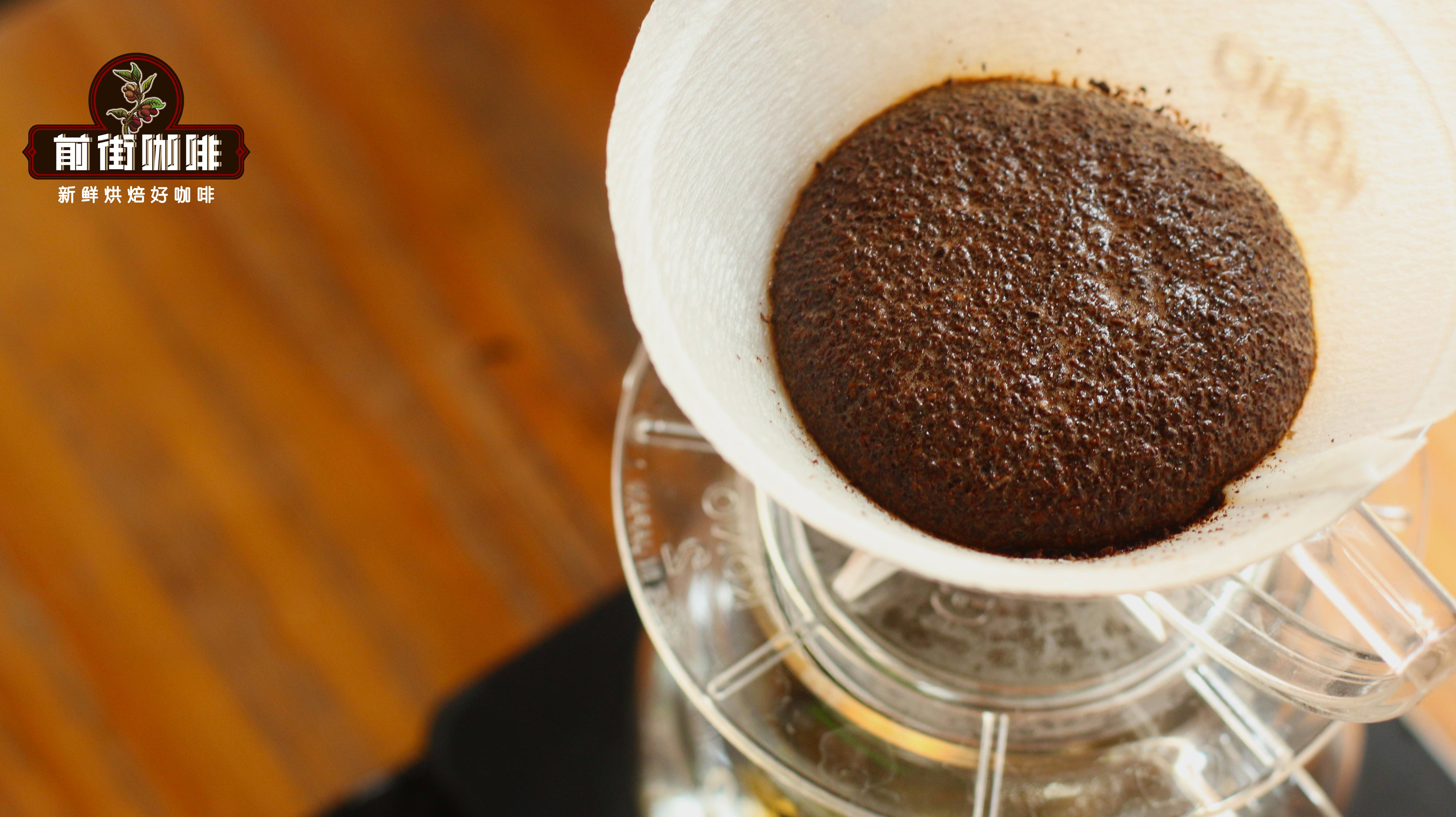
During a pour-over bloom, whether the coffee bed can puff up into a plump "hamburger" is a topic many enthusiasts care about. Some people use the same parameters yet always end up with a flat, deflated bed, and can't help wondering whether their bloom has failed. In fact, the principle behind the bed expanding isn't complicated: when coffee grounds contact hot water, they release carbon dioxide, and the bubbles accumulate within the bed, pushing it upward. Whether a pronounced dome forms mainly depends on the roast level and freshness of the coffee beans, as well as whether the brewing parameters are appropriate. Drawing on Front Street Coffee's brewing experience, this article breaks down the mechanism of bed expansion, explains the advantages of dark-roasted and fresh beans, while also cautioning about the extraction problems that overly fresh beans can cause, and offers recommendations on grind size, water temperature, and other parameters to help you read information about your coffee beans through the state of the bloom. [more…]
A flat coffee bed in pour-over brewing doesn't mean bad taste—revealing the causes of deep craters and three key points for brewing an even deep crater
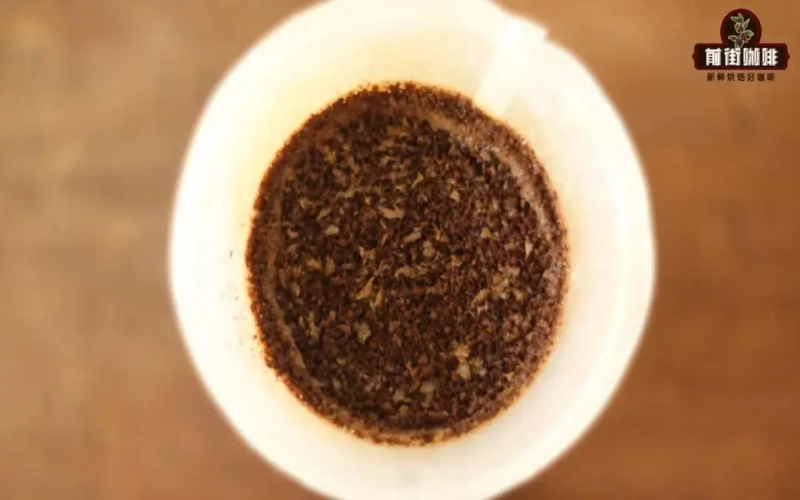
Many friends who are just getting into pour-over coffee share a common misconception: they believe that the deeper and more even the coffee bed is, the better the coffee tastes. In reality, the shape of the coffee bed only reflects the pouring method and has no direct connection to coffee flavor. This article starts from a customer inquiry at Front Street's shop to explain why the coffee bed in specialty coffee is sometimes flat, and which factors truly determine coffee taste. It also shares three practical points: appropriately increasing the water flow, concentrating the hot water in the center, and choosing coffee beans that are not too high in density, helping you easily produce a symmetrical, deep coffee bed at home. The article also uses Front Street Yirgacheffe Gudingding, PWN Golden Mandheling, and others as examples to illustrate the differences in how various beans perform. [more…]

Coffee Brewing | What information is hidden in the coffee bed when making pour-over coffee? How can you judge the condition of single-origin pour-over beans from the coffee bed?
Yesterday a friend chatted with Front Street about a rather interesting phenomenon: he noticed that most people, when brewing coffee, even during the waiting intervals when they're not pouring water, still choose to fix their eyes intently on the changes in the dripper, as if trying to glean some information from the coffee bed. And you know what, there really is some truth [more…]
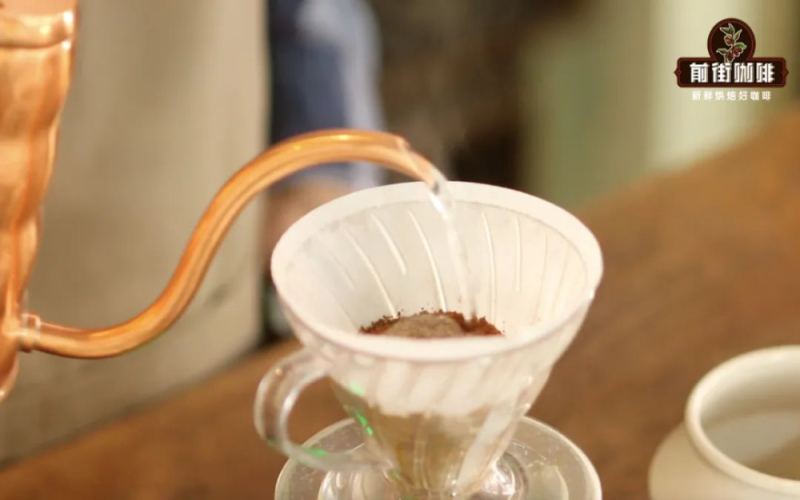
Why Doesn't the Coffee Bed Puff Up During the Bloom in Pour-Over Coffee? Analyzing the Three Key Factors Behind Coffee Bed Expansion
When the coffee bed doesn't bloom during a pour-over, many people take it as a direct sign that the beans aren't fresh—but the reality is far more complicated than that. Front Street Coffee believes that whether the bed expands can serve as a reference, but it shouldn't be relied on too heavily. Factors like roast level, grind size, and bean hardness all affect how much the bed puffs up during blooming. Dark-roasted beans often produce a full, domed "hamburger," while light-roasted beans—especially high-altitude Geisha—may only rise slightly or not at all, yet still deliver excellent flavor. This article breaks down these variables one by one to help you understand more accurately what's really behind blooming expansion, and avoid misjudging how fresh your coffee beans are. [more…]
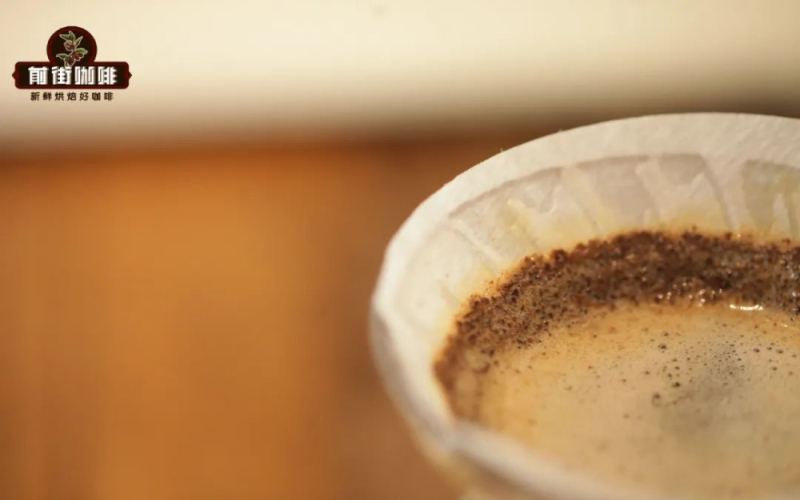
What extraction signals are hidden in the shape of a pour-over coffee bed? Analyzing the connection between the causes of channeling and brewing techniques
After every pour-over, observing the shape of the coffee bed in the dripper is a habit for many coffee enthusiasts. A complete and evenly thick wall of grounds often brings peace of mind, while any abnormality in the bed inevitably makes one wonder which step of the brewing process went wrong. In conversations with coffee lovers, Front Street Coffee has noticed a common coffee bed issue—faulting—which appears as a clear dividing line between the coffee bed and a lower wall of grounds. This pattern is usually related to two types of brewing habits: one is the "conservative" brewer who uses a small stream and pours cautiously throughout, and the other is the "laid-back" brewer who circles casually and tops up with water at the end. This article will combine the different manifestations of coffee bed faulting to analyze the extraction logic behind them, helping everyone understand the relationship between coffee bed shape and coffee flavor, so as to make more informed adjustments in daily brewing. [more…]

Coffee Brewing Tutorial | What Is Puck Management? Does the Coffee Puck Affect the Taste of Pour-Over Coffee? How to Master Puck Management to Make Coffee Taste Better?
We often hear experienced coffee enthusiasts or bloggers say something like this: "Master your puck bed management, and your pour-over coffee will taste better!" Some friends find this quite puzzling! Since they've just started out, they haven't even had the chance to figure out what exactly a puck bed is, let alone manage it. [more…]

Analyzing the Causes of Deep Craters in Pour-Over Coffee Beds: Three Key Conditions from Density and Pouring to Uniformity
Many enthusiasts, after finishing a brew, will see a uniform and deep bowl-shaped coffee bed left in the dripper, and wonder how this state is formed. Front Street Coffee also often encounters similar questions in daily brewing. In fact, the final shape of the coffee bed cannot directly determine whether a cup of coffee tastes good, but it does reflect some operational details during the brewing process. This article will explain how to brew a deep-pit coffee bed from three aspects: coffee bean density, pouring method, and pouring uniformity, and will also explain why light-roasted high-density beans often find it difficult to form a deep pit. If you also want to understand the principles behind the coffee bed, as well as brewing suggestions for beans such as Front Street Ethiopia·ALO and Front Street Yirgacheffe·Guddingding, please read on. [more…]

Pour-over coffee knowledge | Why doesn't the coffee bed puff up during blooming? Does a single-origin bean that doesn't puff up mean poor quality? Does a bigger coffee bed puff mean the coffee is fresher?
Whenever Front Street brews a pour-over for a customer's order, if the coffee bed puffs up quite a bit during blooming, there's a good chance the customer will ask: "Why doesn't my coffee bed puff up this much when I brew?" This is a topic Front Street often discusses! Honestly, although the bloom [more…]
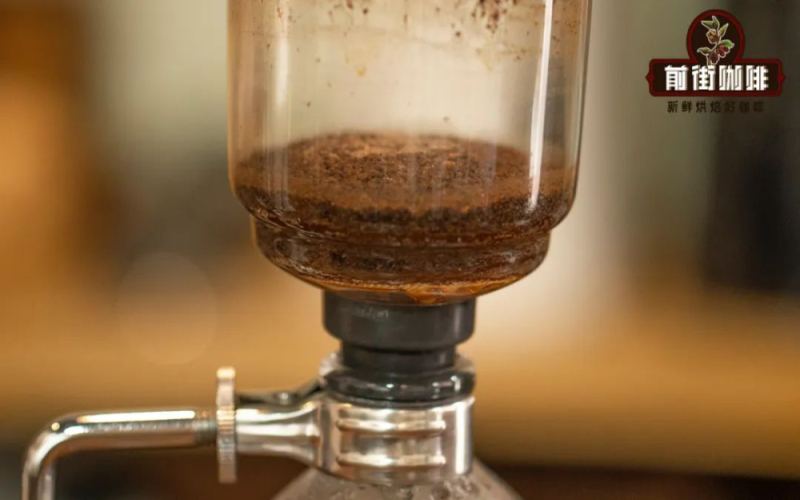
How does a siphon coffee ground bed form a small mound? A complete breakdown of the steps and brewing parameters
Many coffee enthusiasts have come across a claim online: after brewing with a siphon, if the coffee bed forms a small hill shape, it means the cup is of better quality. However, in practice, most people end up with a flat coffee bed. So how exactly can you get a siphon to produce a hill-shaped coffee bed? Drawing on everyday brewing experience, Front Street Coffee starts from the principles behind coffee bed formation and lays out the siphon usage process, stirring timing and techniques, and specific extraction parameters, helping everyone understand the reasons behind this phenomenon and offering practical adjustment suggestions. [more…]
During pour-over blooming, the coffee bed puffs up and then collapses—is this normal? An analysis of the causes and adjustment methods.
In the blooming stage of pour-over coffee, the coffee bed usually forms a fluffy "hamburger" dome, which is an important signal for judging the freshness of coffee beans. But some friends have found that although the coffee bed puffs up briefly after pouring water, it quickly collapses. Is this actually normal? This article will analyze the causes of "expanding first, then sinking" from three angles—water volume, grind size, and pouring technique—and, combined with Front Street Coffee's brewing experience, provide specific judgment and adjustment suggestions to help you master the blooming stage more precisely. [more…]